Monitoring seagrass.
Seagrass is ranked as one of the most valuable ecosystems on Earth.
Seagrass meadows are nurseries and shelter for countless marine species, and they are among the most powerful carbon sinks we have.
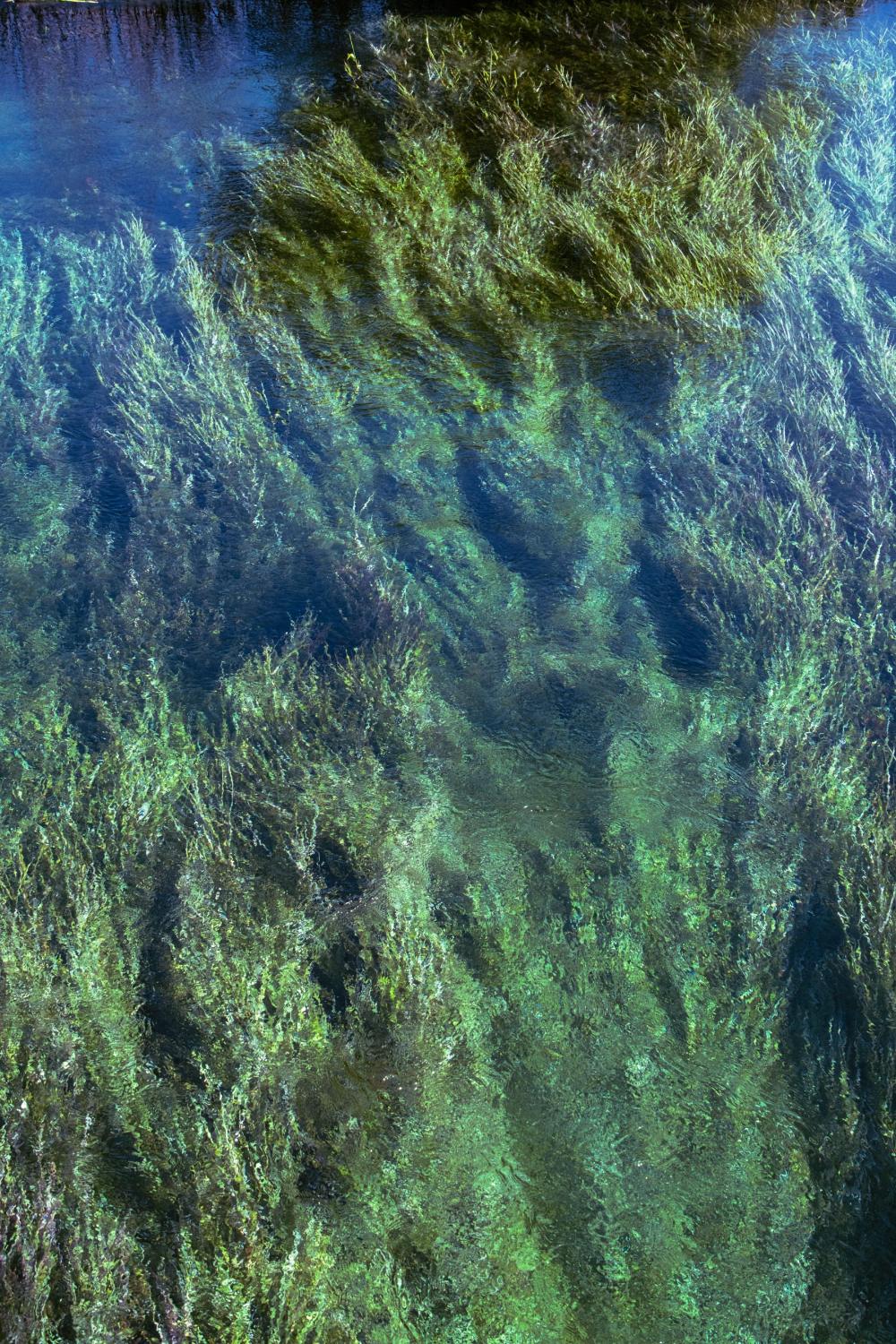
When seagrass is damaged, the loss is enormous.
Fish lose their home, and the carbon stored in the seabed escapes.
To protect these meadows, we need regular data on their health.
And right now, getting that data is hard.
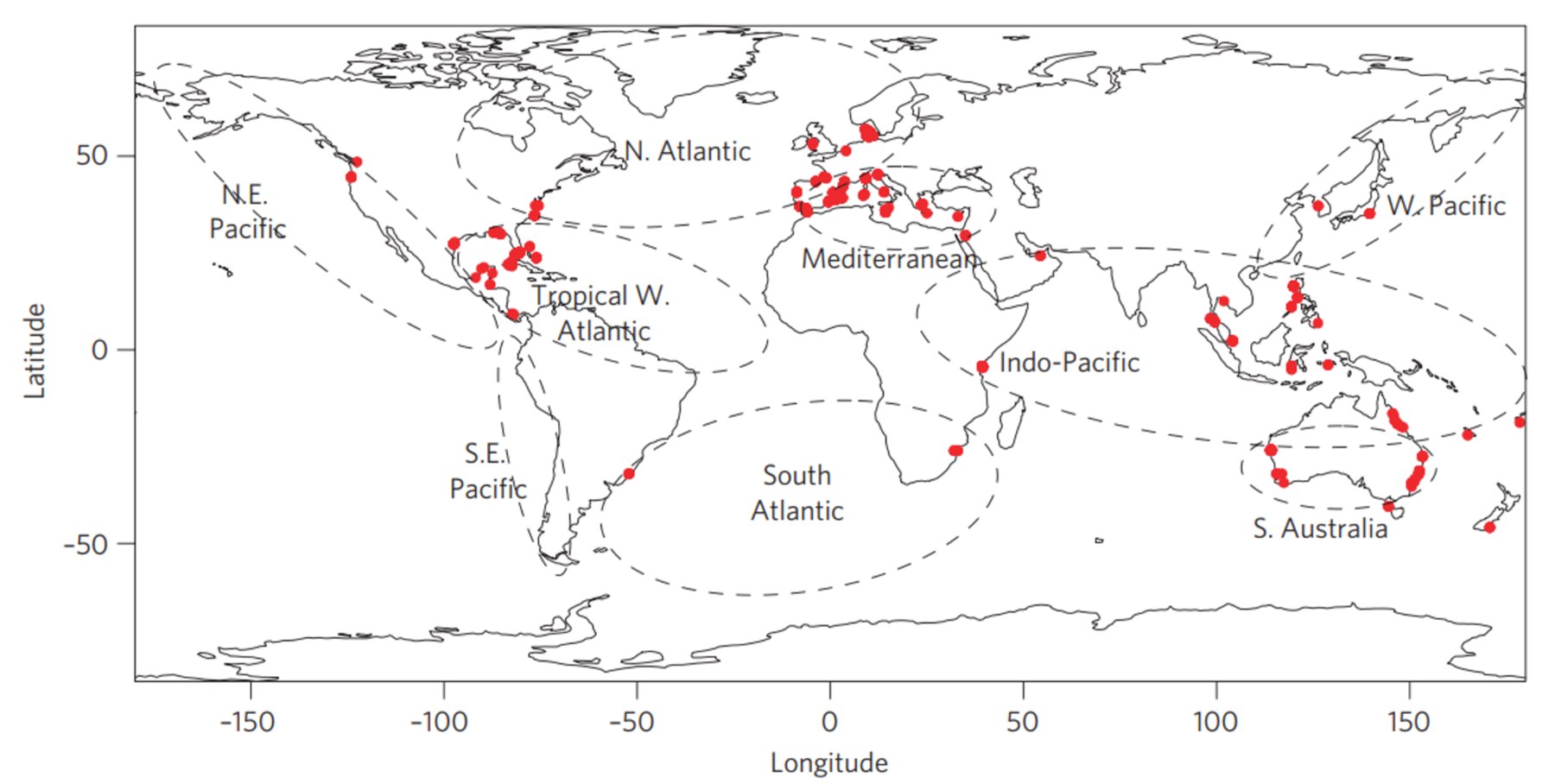
Seagrass grows on almost every coastline around the globe. The red dots on the map tell you where data is available. As you can see, it is unevenly spread. Most of the monitoring is done in North America, Europe and Australia. Countless other parts of the world also have seagrass populations but almost no data on them.
Make seagrass monitoring more…
Automated
Monitoring only makes sense if it is regular and covers large areas.
Affordable
An autonomous robot doesn’t need a whole crew on a boat, which lowers the cost of monitoring drastically.
Accurate
Autonomy also makes our data more accurate: surveys from different days can be compared directly.
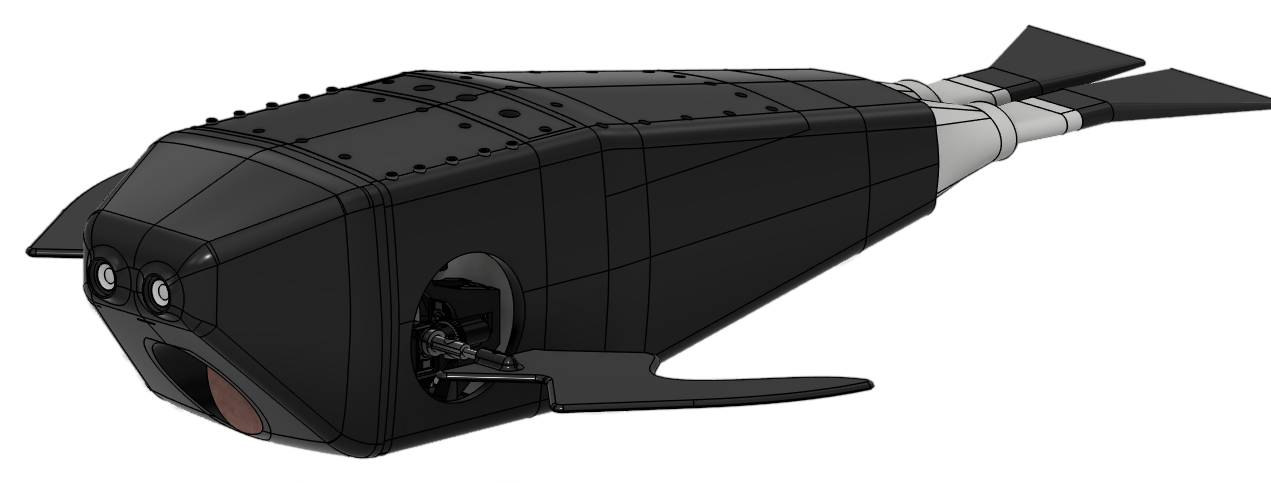
Nature solved underwater locomotion differently.
Meet GILMO1, a robot the water barely notices.
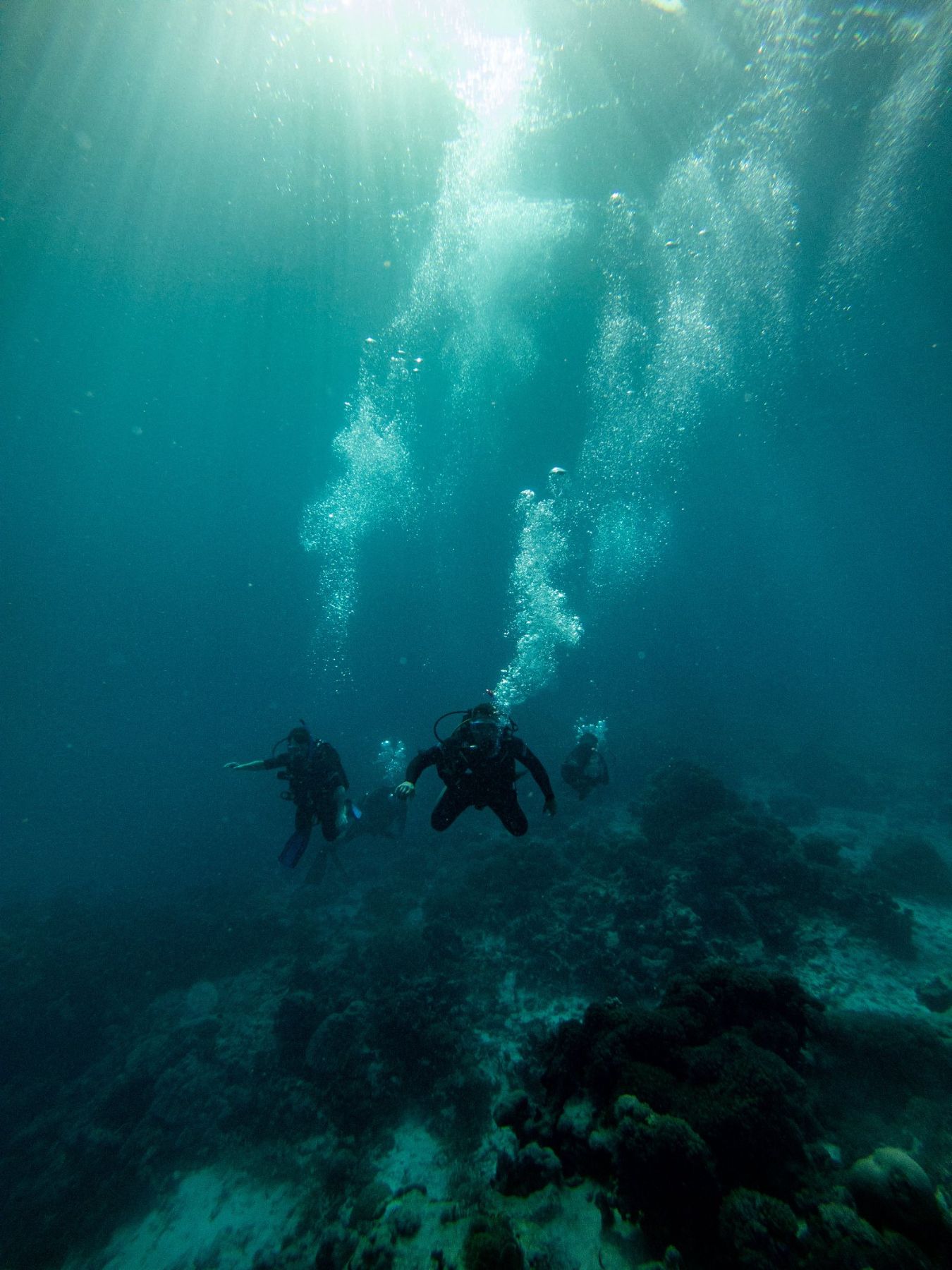
For our first innovation, we look at nature itself. Alcids like the pigeon guillemot fly underwater with their wings. That’s exactly what we want to build. Our movement underwater should have minimal impact on the seagrass meadows. So what better to do than take inspiration from the guillemot, a bird that is specialized in underwater mobility.
The first prototype, GILMO1, navigates tethered and gathers visual data without a diver or pilot. Quiet enough to stay close, soft enough to be safe around aquatic life.